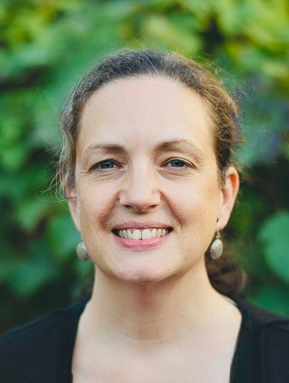
Counselling is most effective when it is grounded in collaboration, respect, and genuine care. My intention is to offer a space where you feel safe and supported as you make sense of your experiences and move toward meaningful change.
The counselling process is tailored to your goals and preferences. Together, we draw from a range of evidence-based approaches to support your needs. I am attentive not only to thoughts and emotions, but also to how experiences such as anxiety, stress, and emotional pain are held in the nervous system and body.
This perspective can help you develop greater awareness, flexibility, and self-trust, and support movement toward a life that feels more meaningful and aligned with your values.
You may recognize yourself in some of the following:
Relationships and self
• Feeling uncertain, self-critical, or disconnected from yourself
• Challenges in relationships or wanting deeper understanding
• Wanting greater confidence, clarity, or self-trust
• Seeking insight or skills to support yourself or others
Mood, meaning, and life transitions
• Feeling low, anxious, stuck, or without direction
• Navigating grief, loss, or significant life changes
• Wanting to reconnect with meaning, purpose, or vitality
Stress, burnout, and overwhelming experiences
• Emotional exhaustion, overwhelm, or persistent tension
• Ongoing experiences affecting your sense of wellbeing
• Wanting new ways to understand and respond to these patterns
I offer a supportive, collaborative space to explore these experiences and support meaningful, sustainable change.
What I can help with (individuals 16+)
• Anxiety
• Depression and low mood
• Trauma and PTSD
• Burnout and work-related stress
• Grief and loss
• Life transitions
• Relationship and attachment concerns (individual therapy)
• Self-esteem and identity concerns
• Emotional regulation and coping skills
• Concerns related to being neurodivergent or exploring a neurodivergent identity (including late diagnosis and self-identification)
A little more about me
My work is informed by attachment theory and relational perspectives, which explore how relationships shape our sense of safety, self-worth, and connection. I support clients in developing greater self-understanding and more secure ways of relating to themselves and others.
I also bring an awareness of how larger systems and cultural contexts can affect wellbeing. I strive to offer a counselling space that is affirming and welcoming of people of all gender identities, sexual orientations, neurotypes, cultures, and lived experiences.
I am grateful to live and work on the unceded and traditional territory of the Stó:lō people, and I hold respect for the histories, knowledge, and ongoing presence of Indigenous communities in this place.
When I’m not working, you might find me playing with my dog, gardening, spending time with family and friends, or experimenting with sewing and creative projects.
I consider it a privilege to work alongside people as they reflect, grow, and move toward greater clarity and wellbeing.
Professional background
I bring over twenty years of experience supporting individuals and communities within public service and not-for-profit settings. I am a Registered Clinical Counsellor with the BCACC.
I earned my Master’s degree in Counselling Psychology from Trinity Western University and completed my Bachelor’s degree in Psychology at the University of British Columbia.