
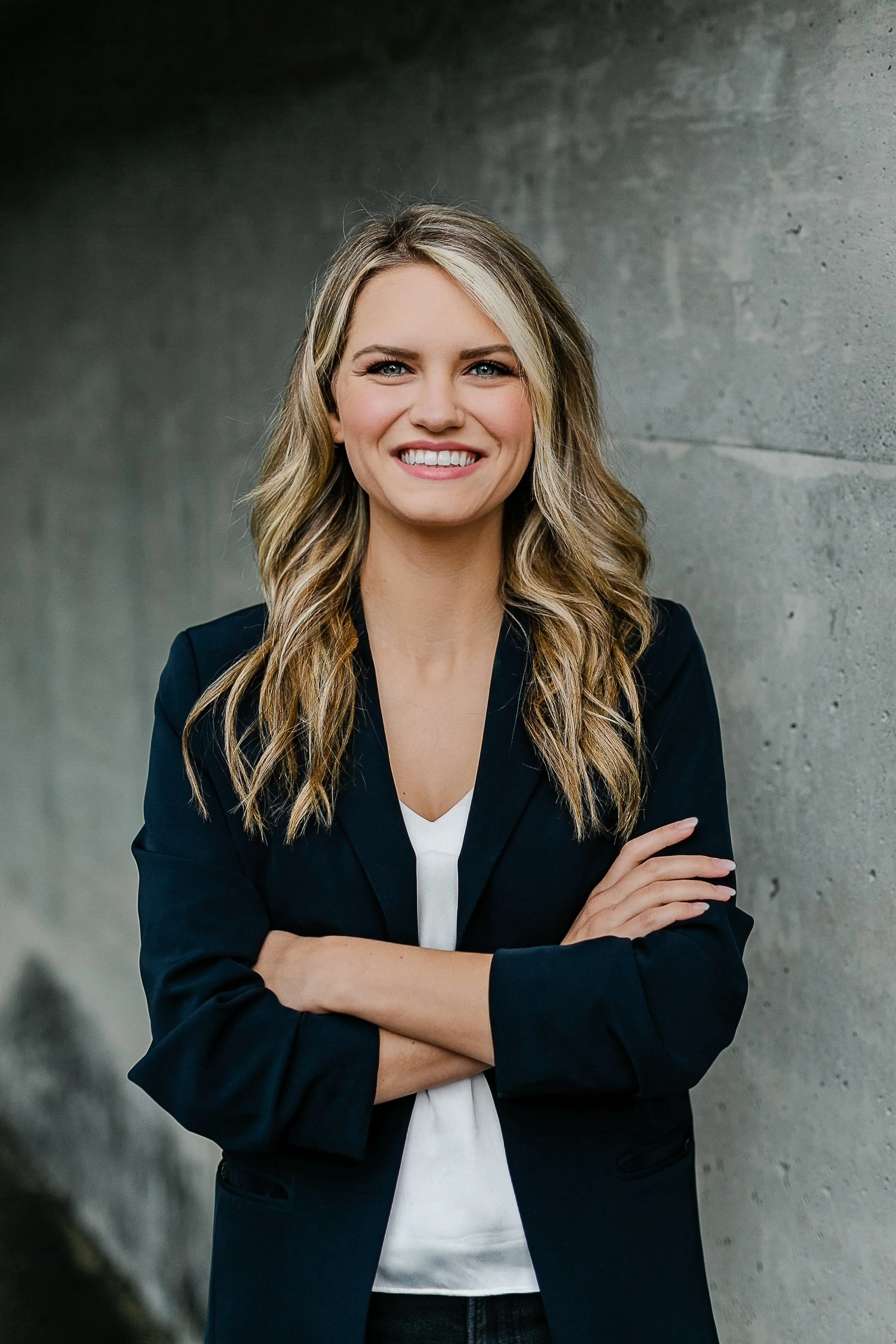
Hailey Lock - MA, RCC
Supporting youth, adults and couples through anxiety, stress, and life transitions.
Availability status: Available
Maybe you’re feeling overwhelmed, anxious, or stuck, unsure how to move forward.
Maybe relationships feel strained, communication keeps breaking down, or the same conflicts seem to repeat.
Maybe you're navigating a life transition, questioning parts of your identity, or feeling the weight of stress, burnout, or self-doubt.
Whatever has brought you here, reaching out for support is a meaningful and courageous first step.
I see therapy as a collaborative and reflective process — a space to slow down, make sense of what feels overwhelming, and explore how your experiences, family dynamics, and background shape your sense of self and your relationships. Together, we work to notice patterns, explore thoughts and emotions, and develop practical strategies that support coping, growth, and self-understanding.
Over the past decade, I have supported youth, young adults, families, and couples across a variety of helping roles. These experiences have given me the opportunity to walk alongside people navigating life transitions, relationship challenges, stress, and questions about identity and self-worth.
My practice is integrative, person-centred, and solution-focused. I also draw from a range of evidence-based approaches including Cognitive Behavioural Therapy (CBT), Acceptance and Commitment Therapy (ACT), Dialectical Behaviour Therapy (DBT), Internal Family Systems (IFS), Emotionally Focused Therapy (EFT), and trauma-informed care. This allows therapy to be tailored to each person’s goals, needs, and unique experiences.
I often work with individuals and couples navigating:
Anxiety, depression, and self-esteem concerns
Relationship stress and communication challenges
Family conflict and life stage transitions
Identity exploration and personal growth
Feeling overwhelmed, burned out, or stuck
Therapy offers a space to reflect, gain clarity, and develop healthier ways of relating to yourself and others.
Outside of the therapy room, I’m a mom, a wife, a nature lover, and a pizza enthusiast (any kind will do!). The mountains are my favourite place in the world — their solitude and beauty never fail to ground me, and I often find I think most clearly there. When I’m not working, you’ll likely find me making memories outdoors with my family, singing silly songs with my son, tackling my next DIY project, or spending time with animals.
I would consider it a privilege to hear your story and support you as you move toward greater understanding, connection, and well-being.
I draw from a range of evidence-based approaches, including Cognitive Behavioural Therapy (CBT), Acceptance and Commitment Therapy (ACT), Dialectical Behaviour Therapy (DBT), Internal Family Systems (IFS), Emotionally Focused Therapy (EFT), and trauma-informed care. This allows me to tailor therapy to each client’s goals, needs, and preferences.
Degrees and Designations
Bachelor of Arts in Psychology
Master of Arts in Counselling Psychology
Registered Clinical Counsellor (RCC) – BC Association of Clinical Counsellors
Registered Psychotherapist (Qualifying) – College of Registered Psychotherapists of Ontario
Key Trainings & Certifications
Complex Trauma Certification Training Level 1 & 2 (CCTP / CCTP-II) – Janina Fisher
Trauma-Informed Therapy: Integration of Internal Family Systems (IFS) & EMDR
Clinical Applications of Internal Family Systems Therapy (IFS)
Intensive Course in Emotionally Focused Therapy (EFT) for Couples – Dr. Sue Johnson
Intensive Couples Therapy Level 1: Repair, Stabilize, and Strengthen Couples
Anxiety Treatment Certification: CBT & Exposure & Response Prevention (ERP) for GAD, Panic, OCD, Social Anxiety, and Phobias
DBT, CBT & ACT Training for Clinicians
Treating Survivors of Relational Trauma: Narcissistic Relationships, Emotional Abuse & Gaslighting
Trauma & Healing Conference: The Body Keeps the Score – Trauma Healing Through the Senses – Bessel van der Kolk, MD
Suicide Intervention Training
Professional Associations
Member of the BC Association of Clinical Counsellors
Member of the College of Registered Psychotherapists of Ontario
Common Questions
Why did you become a counsellor?
I’ve wanted to be a counsellor since I was young. Over the years, through working with youth, young adults, and families in educational, community, and home settings, I became even more certain that this is the work I’m meant to do. I’ve seen how helpful therapy can be — both in my own life and in the lives of others — and I wanted to offer that kind of understanding and support to people navigating challenges, transitions, and personal growth.
Do I need to know exactly what I want to work on?
Not at all. Many clients start therapy with a general sense that something isn’t working. Together, we clarify what feels most important and develop strategies to help you move forward.
What therapy approaches do you use?
I use an integrative approach, blending person-centered and solution-focused techniques with CBT, ACT, DBT, IFS, EFT, and trauma-informed care.
How long does therapy last?
The length of therapy depends on your goals. Some clients attend short-term sessions to address a specific concern, while others engage in longer-term therapy for deeper exploration and growth.